Smart UPI Habits For Payments Savings And Safer Money Use
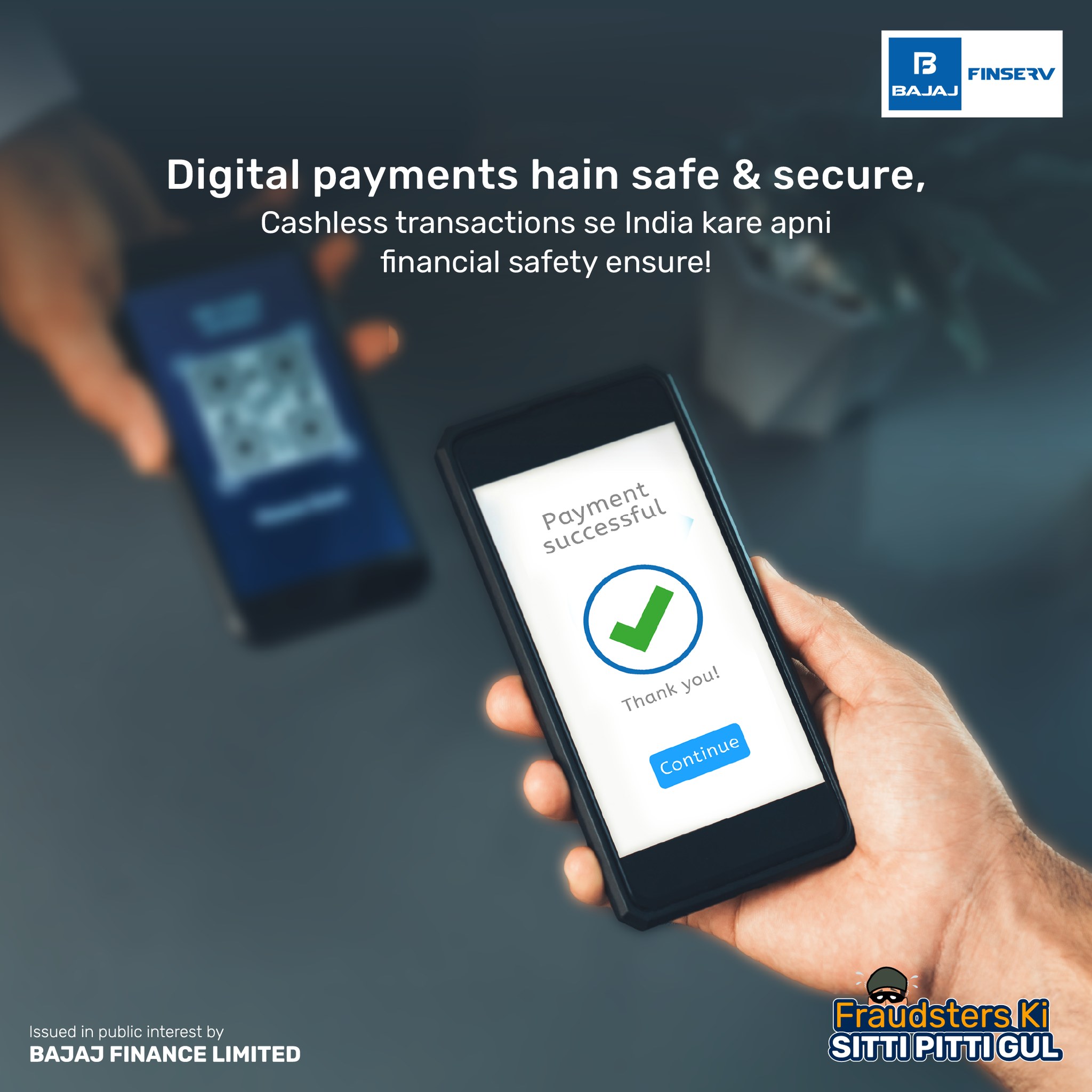
UPI has become one of the most widely used digital payment methods for everyday transactions in India. It allows users to send money, receive payments, scan QR codes, pay merchants, settle bills, and manage small transactions directly from a linked bank account.
The convenience of UPI makes it useful for daily spending, but users should handle it carefully. Every payment should be checked before confirmation, including receiver name, amount, UPI ID, and transaction status. Good payment habits can help users avoid wrong transfers, fraud attempts, duplicate payments, and unnecessary spending.
Savings Planning Along With Digital Payments
While UPI is mainly used for payments, users should also think about savings habits. An FD can help some users separate savings from daily spending because the money is placed for a selected tenure at a fixed interest rate.
However, an FD should be planned after keeping enough money available for monthly expenses and emergencies. If all savings are locked in an FD, users may struggle with regular payments or urgent cash needs. UPI makes spending easy, so users should balance payment convenience with planned saving.
What Is UPI
UPI stands for Unified Payments Interface. It is a digital payment system that allows users to transfer money between bank accounts through a mobile platform. Instead of entering full bank account details every time, users can pay through a UPI ID, mobile number, QR code, or saved contact.
A UPI transaction is usually completed after the user enters a UPI PIN. The money is debited directly from the linked bank account and credited to the receiver’s account.
UPI is useful for both person-to-person and merchant payments, making it suitable for everyday financial activity.
How UPI Works
UPI works through a connected banking and payment system. The user links a bank account to a payment app and creates a UPI ID. After setup, payments can be made using a secure UPI PIN.
Bank Account Linking
The user selects a bank account linked to the registered mobile number.
UPI ID Creation
The app creates or allows the user to create a UPI ID.
PIN Setup
The user sets a UPI PIN for payment approval.
Payment Initiation
The user enters a UPI ID, scans a QR code, or selects a contact.
Confirmation
The user checks receiver details and enters the UPI PIN.
Transaction Status
The app shows whether the payment is successful, pending, or failed.
Common Uses Of UPI
UPI can be used for many daily transactions. Its wide acceptance makes it useful across personal, household, and merchant payments.
Common uses include:
- Sending money to family or friends
- Paying shopkeepers
- Scanning QR codes
- Paying electricity bills
- Paying mobile bills
- Recharging services
- Paying for online orders
- Settling food and travel expenses
- Paying subscriptions
- Receiving money from others
These uses make UPI convenient, but users should avoid making payments without checking details.
Why UPI Is Popular
UPI is popular because it is fast, simple, and widely accepted. Users do not need to carry cash for many daily transactions. A QR code scan or UPI ID can complete payment within seconds.
Another reason for its popularity is accessibility. Many people use UPI for small payments such as groceries, tea, transport, food delivery, and local purchases. It also supports larger payments within applicable bank and platform limits.
Still, convenience can lead to overspending if users do not track payment history.
Benefits Of Using UPI
UPI offers several benefits when used responsibly.
Fast Transactions
Payments can be completed quickly through mobile apps.
Direct Bank Transfer
Money moves directly from one bank account to another.
Easy Merchant Payments
QR code payments make shop and service payments simple.
Digital Records
Users can review transaction history inside the app.
Bill Payment Support
Many platforms allow users to pay utility bills through UPI.
No Need For Cash
UPI reduces dependency on physical cash for daily payments.
Safety Tips For UPI Users
Safety is important because UPI is linked directly to bank accounts. Users should follow careful practices during every transaction.
Important safety tips include:
- Never share UPI PIN
- Do not share OTPs
- Check receiver name before payment
- Avoid unknown payment links
- Do not approve unknown collect requests
- Use official apps only
- Keep phone locked
- Avoid public Wi-Fi
- Review transaction alerts
- Report suspicious payments quickly
A key rule is simple: UPI PIN is needed to send money, not to receive money.
Common Mistakes To Avoid
Many users make mistakes because UPI payments feel quick and routine.
Paying Without Checking Receiver Name
Always confirm the receiver before entering the PIN.
Entering The Wrong Amount
A small typing mistake can lead to incorrect payment.
Approving Unknown Requests
Fraudsters may send collect requests to trick users.
Sharing UPI PIN
No genuine person should ask for a UPI PIN.
Ignoring Failed Payments
Pending or failed payments should be tracked carefully.
Not Reviewing Spending
Frequent small payments can affect the monthly budget.
UPI And Monthly Budgeting
UPI transaction history can help users review spending habits. Since many daily payments happen digitally, users can check where money is going across food, travel, shopping, bills, and transfers.
A monthly review can help identify unnecessary spending. For example, repeated small payments for snacks, subscriptions, or transport may add up to a large amount. UPI makes payments easy, but users should still set spending limits.
This habit can support better financial control.
UPI For Bill Payments
Many users pay electricity, gas, water, broadband, mobile, and other bills through UPI-supported platforms. This can save time and help users avoid late fees.
Before making a bill payment, users should check the biller name, consumer number, due date, and amount. After payment, they should save the receipt or transaction reference.
If money is debited but the bill is not updated, users should avoid paying again immediately and first check the transaction status.
UPI For Small Businesses
Small merchants often accept UPI because it is easy to use and does not require complex payment hardware. A QR code can help customers pay quickly.
For small businesses, UPI can support:
- Faster customer payments
- Easier transaction records
- Reduced cash handling
- Simple payment confirmation
- Better daily collection tracking
However, merchants should reconcile app records with bank statements regularly.
Digital Payments And Insurance Tracking
Some users also manage financial products through an insurance app along with UPI-based payments. An insurance app can help users track policy details, premium due dates, renewal reminders, and payment receipts.
If an insurance app supports digital payment, users should verify policy number, premium amount, insurer name, and receipt status before completing payment. UPI can make premium payment faster, but users should ensure that the policy update is reflected correctly after payment.
Conclusion
UPI has made digital payments faster, simpler, and more accessible for everyday users. It supports money transfers, merchant payments, bill payments, and transaction tracking through a mobile phone.
To use UPI responsibly, users should protect their PIN, verify receiver details, avoid unknown links, save important receipts, and review monthly spending. When combined with budgeting, savings planning, and safe payment habits, UPI can become a useful part of daily money management.