Changing Payment Behavior Using Online Bill Payment Systems
Introduction
The way individuals manage their finances has evolved steadily with the adoption of digital tools. One of the most noticeable changes is the shift toward online bill payment systems. These systems allow users to handle recurring expenses such as electricity, water, rent, and subscriptions without relying on manual processes. This transition has not only improved convenience but has also influenced financial habits in meaningful ways.
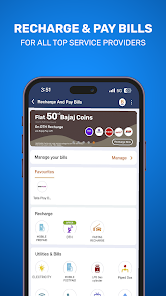
At the same time, digital finance solutions such as doctor loan and instant loan app platforms are becoming part of the same ecosystem. Users who once depended on traditional banking methods are now exploring integrated platforms where bill payments, credit access, and expense tracking exist together. As a result, financial behavior is gradually shifting toward more structured and predictable patterns.
This article explores how online bill payment systems are reshaping payment habits, improving financial awareness, and influencing long-term money management practices.
Understanding Online Bill Payment Systems
Online bill payment systems are digital platforms that allow users to pay bills through internet-enabled devices. These systems eliminate the need for physical visits, paperwork, or waiting in queues.
Key Features
Automated Payments
Users can schedule recurring payments, ensuring that bills are paid on time without manual intervention.
Payment Tracking
Digital records help users track past transactions, making it easier to review spending patterns.
Multi-Bill Management
Different types of bills can be managed from a single interface, reducing complexity.
These features contribute to a more organized financial routine, which directly impacts user behavior.
Shift from Manual to Digital Payments
The transition from offline to online bill payments has changed how individuals approach financial responsibilities.
Reduced Dependency on Cash
Previously, cash transactions were common for bill payments. With digital systems, users now rely more on electronic transfers, which are faster and more secure.
Time Efficiency
Paying bills online reduces the time spent on travel and waiting. This convenience encourages consistent and timely payments.
Improved Accuracy
Manual errors such as incorrect entries or missed payments are minimized with digital systems.
As users experience these benefits, their preference shifts toward digital solutions, reinforcing long-term behavioral changes.
Impact on Financial Discipline
One of the most significant effects of online bill payment systems is improved financial discipline.
Timely Payments
Scheduled payments ensure that bills are paid before due dates, avoiding penalties.
Budget Awareness
Users can see all expenses in one place, helping them understand where their money is going.
Reduced Financial Stress
Knowing that essential bills are managed automatically reduces anxiety related to missed deadlines.
This structured approach encourages users to adopt better financial habits over time.
Integration with Financial Tools
Online bill payment systems are no longer standalone services. They are increasingly integrated with broader financial tools.
Access to Credit Options
Users often encounter services such as doctor loan options while managing their payments. These offerings provide financial support for specific needs, especially during emergencies.
Similarly, an instant loan app can offer quick access to funds, which can be used to manage urgent bills. This integration creates a seamless experience where users can both manage expenses and access credit when required.
Expense Categorization
Many systems categorize expenses automatically, helping users analyze their spending patterns.
Notifications and Alerts
Reminders for upcoming payments ensure that users stay informed and prepared.
These integrations enhance the overall financial ecosystem, making it more efficient and user-friendly.
Behavioral Changes Driven by Digital Payments
Online bill payment systems influence user behavior in several ways.
Increased Consistency
Regular use of digital platforms encourages consistent payment habits.
Greater Financial Awareness
Users become more aware of their spending, leading to better decision-making.
Preference for Convenience
Once users experience the ease of online payments, they are less likely to return to manual methods.
Adoption of Digital Financial Services
Exposure to features like doctor loan and instant loan app options encourages users to explore additional financial tools.
These behavioral shifts indicate a broader transformation in how individuals interact with money.
Security and Trust Factors
Security plays a crucial role in the adoption of online bill payment systems.
Data Protection
Advanced encryption methods protect user information and transaction details.
Secure Authentication
Multi-step verification processes add an extra layer of security.
Transaction Transparency
Users receive instant confirmations, which build trust in the system.
As trust increases, more users are willing to adopt and rely on digital payment systems.
Challenges in Adoption
Despite the benefits, some challenges still exist.
Limited Digital Literacy
Not all users are comfortable using digital platforms, which can slow adoption.
Internet Dependency
Reliable internet access is necessary for seamless transactions.
Security Concerns
Some users remain cautious about sharing financial information online.
Addressing these challenges is essential for expanding the reach of online bill payment systems.
Future of Online Bill Payments
The future of online bill payment systems looks promising as technology continues to evolve.
Increased Automation
More advanced automation features will simplify the payment process further.
Enhanced User Experience
Improved interfaces will make systems more accessible to a wider audience.
Integration with Financial Planning Tools
Users will be able to combine bill payments with savings and investment planning.
Expansion of Credit Services
Services like doctor loan and instant loan app solutions will become more integrated, offering users flexible financial options alongside bill management.
These developments will continue to shape user behavior and financial practices.
Conclusion
Online bill payment systems have transformed the way individuals manage their financial responsibilities. By offering convenience, accuracy, and efficiency, these systems encourage timely payments and improved financial discipline. Users are becoming more organized, aware, and consistent in their financial habits.
The integration of additional services such as doctor loan options and instant loan app platforms further enhances the value of these systems. Users can now manage expenses and access financial support within a single ecosystem, making financial management more streamlined.
As digital adoption continues to grow, online bill payment systems will play an even more significant role in shaping financial behavior. With ongoing improvements in security, accessibility, and integration, these systems are set to become an essential part of everyday financial life.